
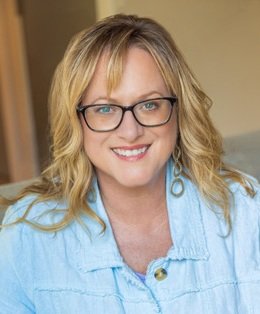
 By Lynda Monk, MSW, RSW, CPCC
Many adoptees’ stories begin before they can remember it. That was true of my experience. There were sealed records, family stories told by other people, and questions that followed me for years: Who am I? Where do I come from? Where do I belong?
I have been working on my own adoptee memoir for more than 25 years. For most of that time, the “writing” didn’t look like a manuscript at all. It looked like stacks of journals and snippets of experiences. Journal pages are filled with where I wrote about not knowing, about searching, about reunion with my birth family, and about the surprising mix of joy and grief that came with it.
 My adoptee memoir is still in progress and I continue to actively write it at this time in my life. However, another book was born, in part from all this draft writing and deep self-reflection and journaling. It is The Adoptee’s Guide to Healing, Wholeness & Growth, which includes over 200 journaling prompts, 49 healing touchstones and many excerpts from the pages of my journal.
What I’ve learned, both through my own journaling, my journey as an adoptee writing my story, and through more than 30 years of guiding people through expressive writing, is this – your journal is often the story before the story. It’s where memoir quietly begins. That’s true whether you’re writing about adoption or any other tender, transformative aspect of your life.
Your journal is the first draft no one else will read
Memoir asks us to tell the truth. But it’s hard to tell the truth when we’re already imagining a reader — a parent, a sibling, a critic, or our own inner editor.
Journaling removes that audience. When you know no one else will read the page, you can write the messy, contradictory, unfinished version of what happened and how you feel about it. That safety is not a detour from memoir but rather, I believe it can be one of the strong foundations where memoir grows from.
Try this: Before you write a single “official” scene, give yourself permission to write freely about the material first. Write first in your journal, as if no one will ever read it because no one will (unless you choose to share it in your public facing writing).
Write into the gaps and silences
Adoptees know about missing chapters. But every memoir writer meets gaps: the conversation no one would have, the parent who died before you could ask, the family secret you only half understand.
Rather than letting the gaps stop you, make them part of your writing. Name what you don’t know.
Try this: Divide a journal page into four sections:
- What I know
- What I was told
- What I imagine
- What I may never know
You’ll often find that the tension between these four columns is where your story’s real heart lives.
Let the feelings arrive before the story does
Some of the most powerful material in memoir comes from emotions we didn’t expect. For example, in reunion with my birth mother, when meeting her for the very first time when I was 30-years-old, I felt many emotions I hadn’t anticipated. I needed somewhere to process these feelings, somewhere to put them so I could begin making sense of them. That place was in the private pages of my journal, and it still is the place I go to express my feelings about all things in my life, not just my adoptee experiences.
Your journal is a place you can express and hold the raw feeling first. Later, with some distance, you can shape it into meaning. Trying to do both at once often leads to writer’s block or to pages that feel guarded. Let the journal be the emotional well you return to; let the memoir be where you craft what you’ve drawn from it.
Moving from journal entry to memoir scene
When you’re ready to turn journal pages into memoir, reread with a pencil or coloured pen in hand and look for:
- Moments with heat. Passages where your handwriting speeds up, or where you still feel something when you reread them.
- Sensory details. A smell, a sound, the weather, what someone was wearing. These are what let readers step inside a scene.
- Fragments of dialogue. Even half-remembered words can anchor a scene.
- The “now” voice. Notice where you, today, understand something your earlier self didn’t yet know. That reflective voice is what turns an experience into a story with meaning.
Then ask: What does a reader need in order to be in this moment with me? That question shifts you gently from private writing to writing meant to be shared, all without losing your truth.
Writing about living family with compassion — including for yourself
Writing about family is tender work, especially when those family members are still living. Here’s a practice that has helped me and many writers I’ve worked with: write everything in your journal and decide later what goes public. Separating the writing from the publishing decision frees you to be honest now and wise later.
Care for yourself along the way, too. Set a time limit for writing about difficult material. Close each session with a small ritual — a few lines about something you’re grateful for, a walk, a cup of tea. Healing and writing can happen together, but they need gentleness and pacing.
A few prompts to begin
- The question I have carried the longest is…
- What I was told about where I come from…
- A moment when I felt I truly belonged…
- Something I’ve never said out loud about my family is…
- I am enough, even though…
Start with whichever one tugs at you. Write for ten minutes without stopping. Then notice what surprised you.
Join the conversation
I’ll be exploring all of this — and sharing more prompts and stories from my own journey — in conversation with Linda Joy Myers at NAMW’s November Virtual Book Club.
The Story Before the Story: How Adoptees & Others Write Toward Healing, Identity, and Belonging
Thursday, November 5, 2026
4 PM PST | 5 PM MST | 6 PM CST | 7 PM EST
Sign up here
Whether you’re an adoptee or writing about family secrets, identity, or finding home within yourself, you’re warmly welcome. Bring your journal. Your story, one page at a time, is waiting.
Lynda Monk, MSW, RSW, CPCC, is a Registered Social Worker, certified coach, author, and the Director of the International Association for Journal Writing (IAJW.org). She is an adoptee who has experienced reunion with her birth family and the author of The Adoptee’s Guide to Healing, Wholeness & Growth (2026). Learn more at adopteesguide.lyndamonk.com.
